Brief
You share the target weight, width, composition and end use; we propose the machine, gauge and yarn combination.
Knitted fabric production
Crepe knits gain their dry hand and fine grainy surface either from high-twist yarns fed alternately in S and Z direction, whose twist liveliness rotates the loops slightly, or from knit and tuck stitches scattered in an irregular-looking but repeating pattern that breaks the surface into small hollows and ridges. The matt, sand-like face scatters light, hides creases and conceals seam impressions. Single-bed crepe is lighter and more fluid, double-bed crepe fuller and more stable.
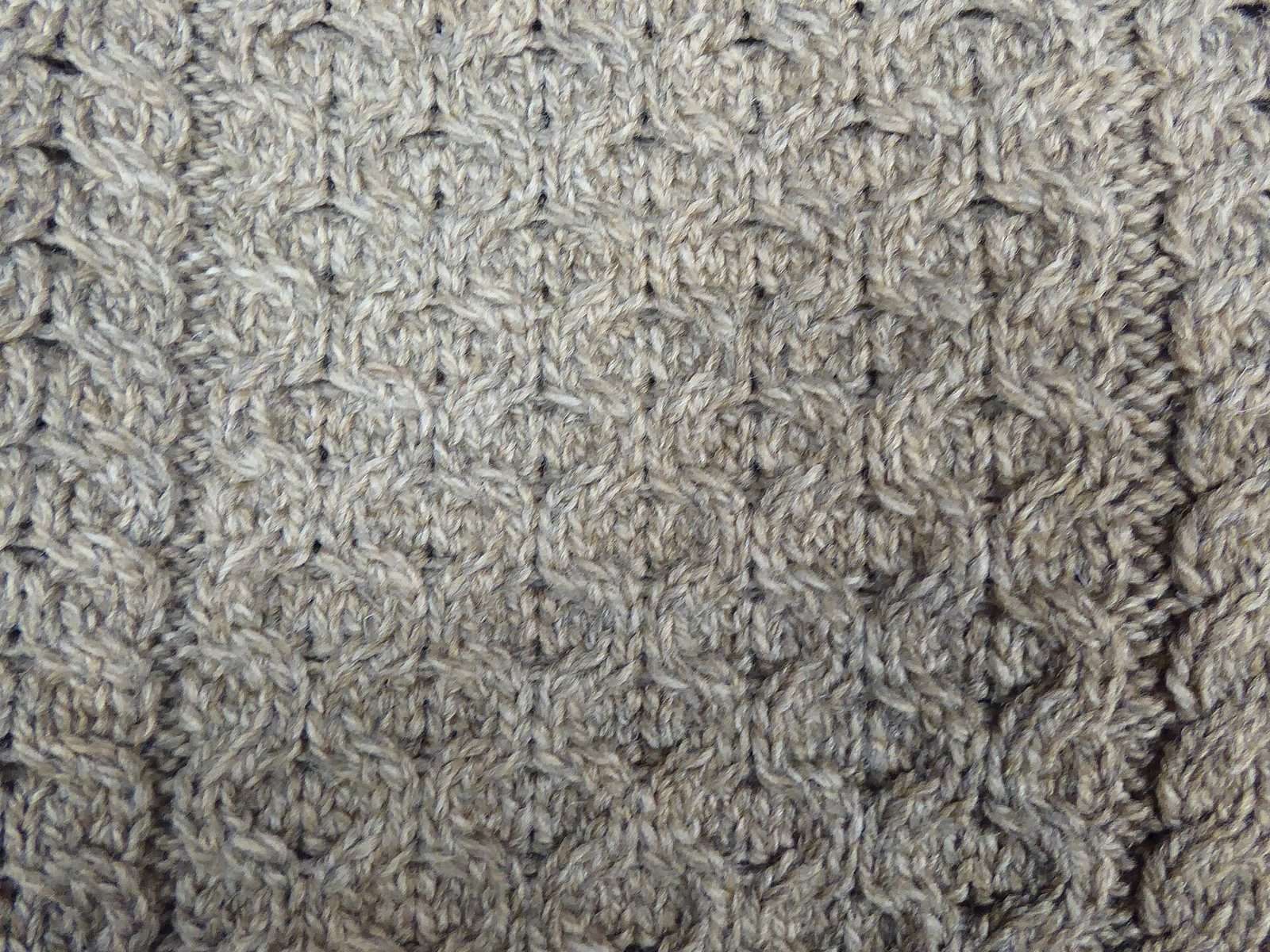
We knit crepe on 30–34 inch machines of 24–28 gauge with viscose/elastane, polyester/elastane or polyester/viscose yarns, typically 75–150 denier high-twist polyester or Ne 30/1–40/1 viscose. High-twist yarns are sensitive to feed tension, so yarn path and tension are controlled more closely than in plain structures. Weights run 160–280 g/m² and open width 150–180 cm; because high-twist yarns contract in dyeing, the gap between greige and finished weight is larger than in other knits and is stated separately.
At Meyas Tekstil we define grain character and drape for the target garment, fix the S/Z feeding order or tuck distribution on the sample, and track high-twist yarn lots separately because lot variation changes grain density.
Sourcing and sampling
We knit Crep on our own circular knitting machines in Kahramanmaraş and follow it from sample to bulk with one team.
You share the target weight, width, composition and end use; we propose the machine, gauge and yarn combination.
We knit the sample on our own machine park in Kahramanmaraş and report greige and finished weight with post-wash dimensions.
Machine, settings and yarn lot of the approved sample go into the recipe; bulk is planned on that recipe.
Light-table inspection at the knitting exit, weight and width measured per lot; approved quality ships with traceable lot data.
FAQ
Our standard weight band is 160–280 g/m²; width: Açık en 150–180 cm. Values outside the band are developed on request; the target is confirmed on the sample with post-wash measurements before bulk is planned.
Typical end uses are elbise, bluz, etek. Composition options include viskon/elastan, polyester/elastan; we recommend the yarn and finish according to the product and washing expectations.
In single-bed structures the cut edge curls towards the face and lengthwise shrinkage is higher than in double-bed fabrics. Compacting and the right stenter setting bring post-wash dimensions into the target range, and a light finish before cutting helps.
Related guides
How the construction, machine settings and weight of this fabric come together.
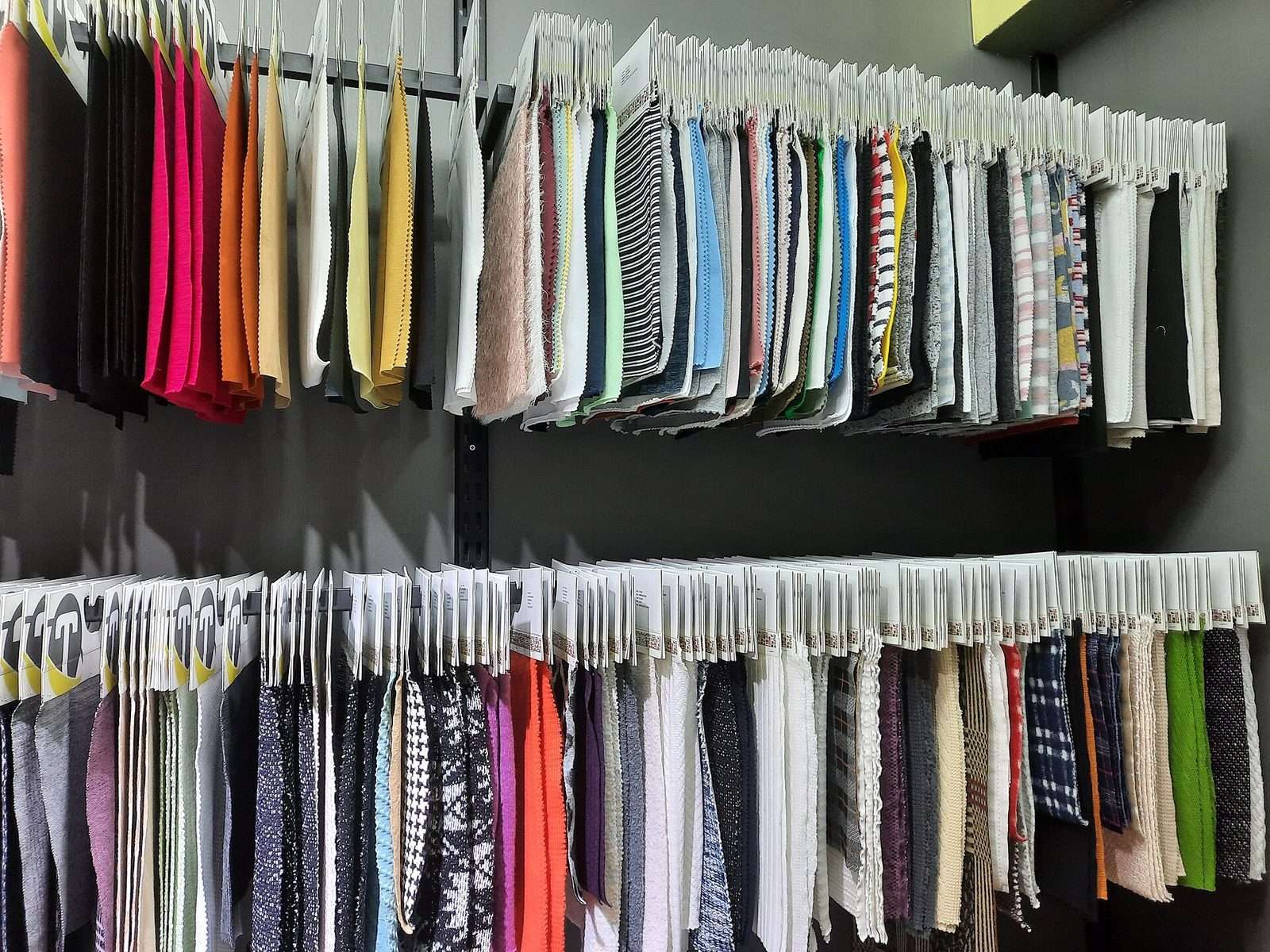
The differences, stretch behaviour and typical weight ranges of four core knitted constructions, and which product each one suits.
Read more →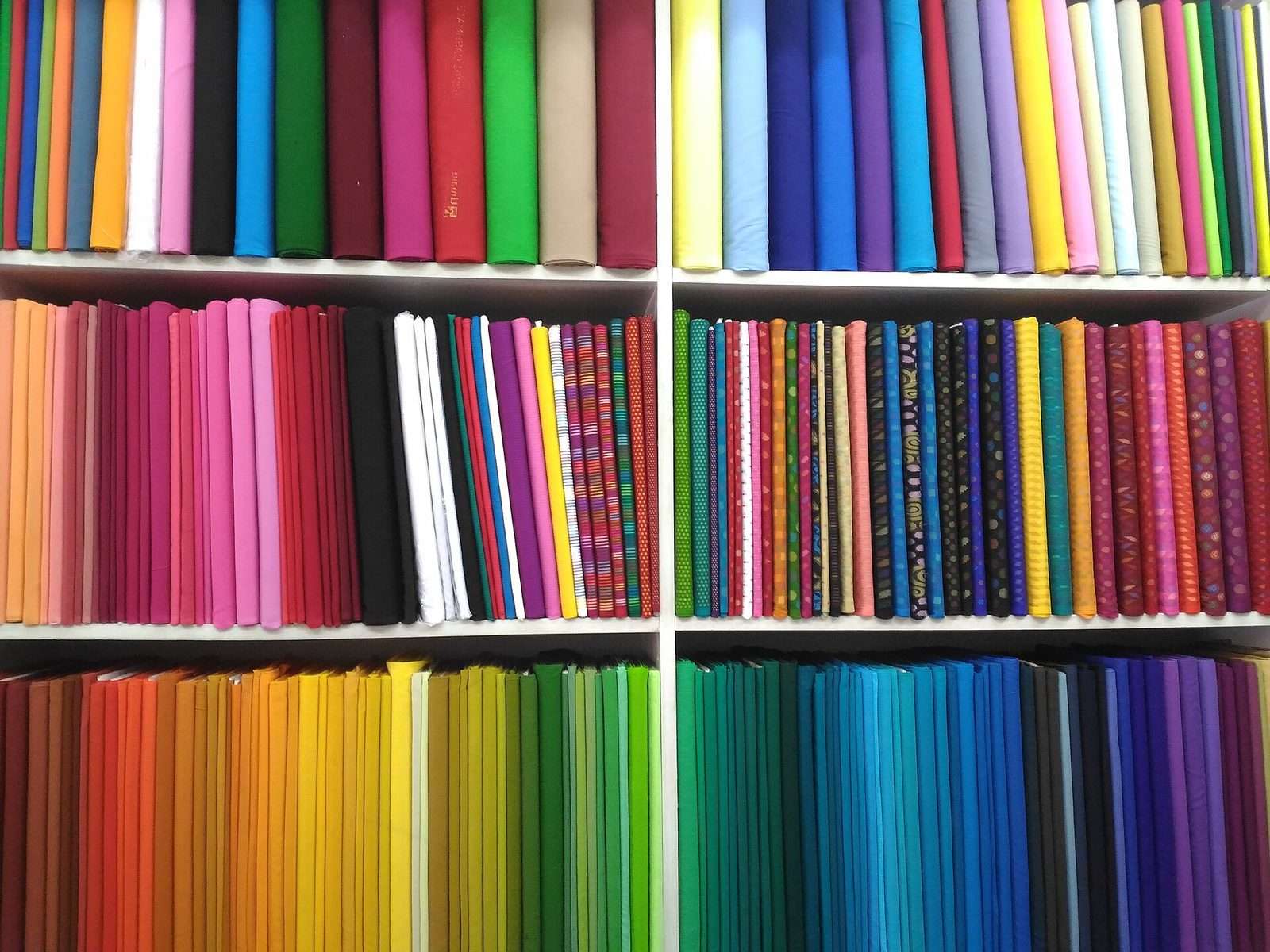
Weight, width and shrinkage decide both the cost of a knit and how the garment behaves after washing. We explain how they are measured and what to settle before ordering.
Read more →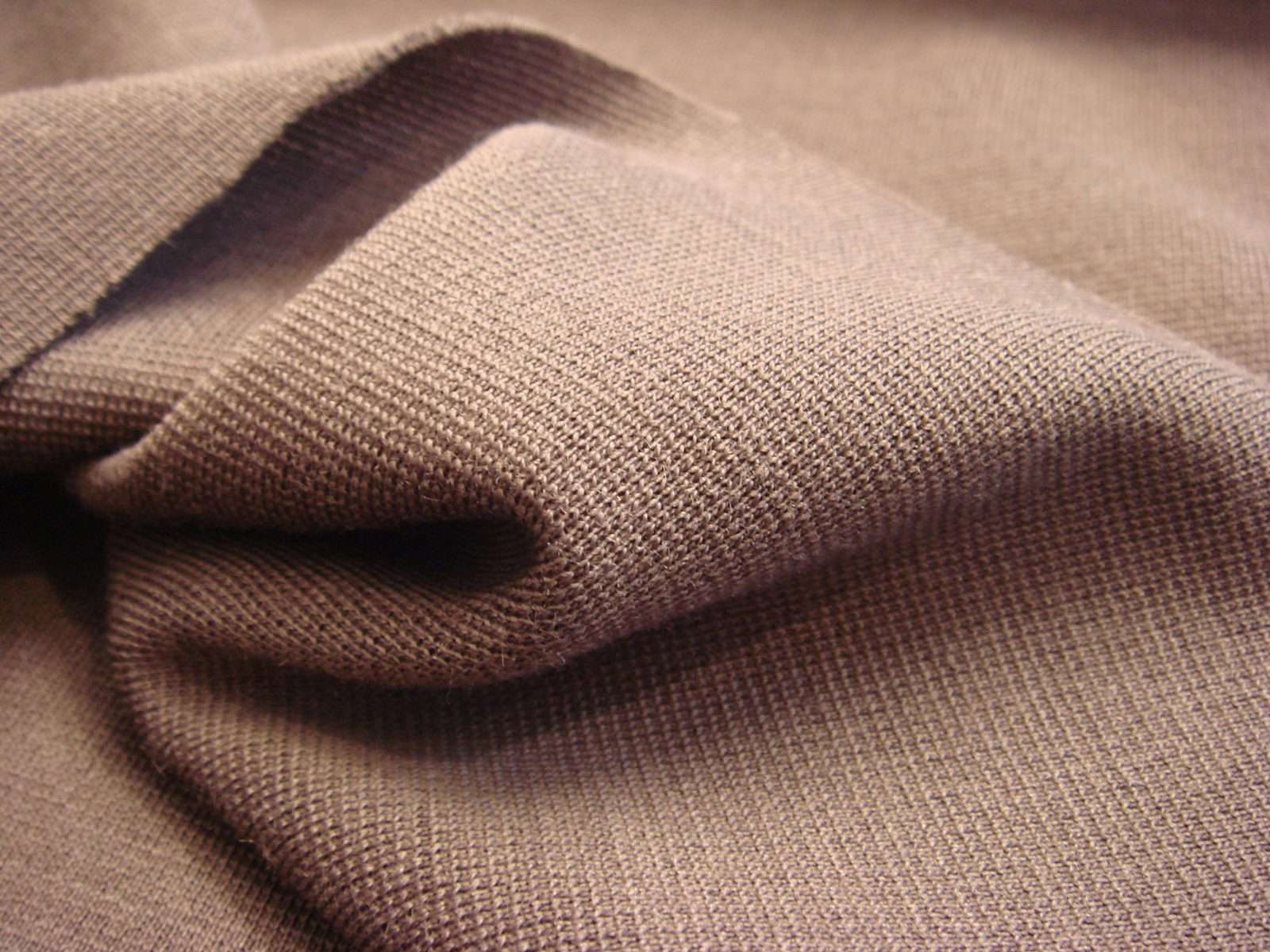
Knitted fabric is formed by linking yarn into loops. We walk through knitted fabric production step by step, from yarn selection to knitting, dyeing and finishing.
Read more →Related fabrics
Custom development
Share your target for Crep; we will knit the closest construction on our own machines and report the measurements.
Start a project ↗