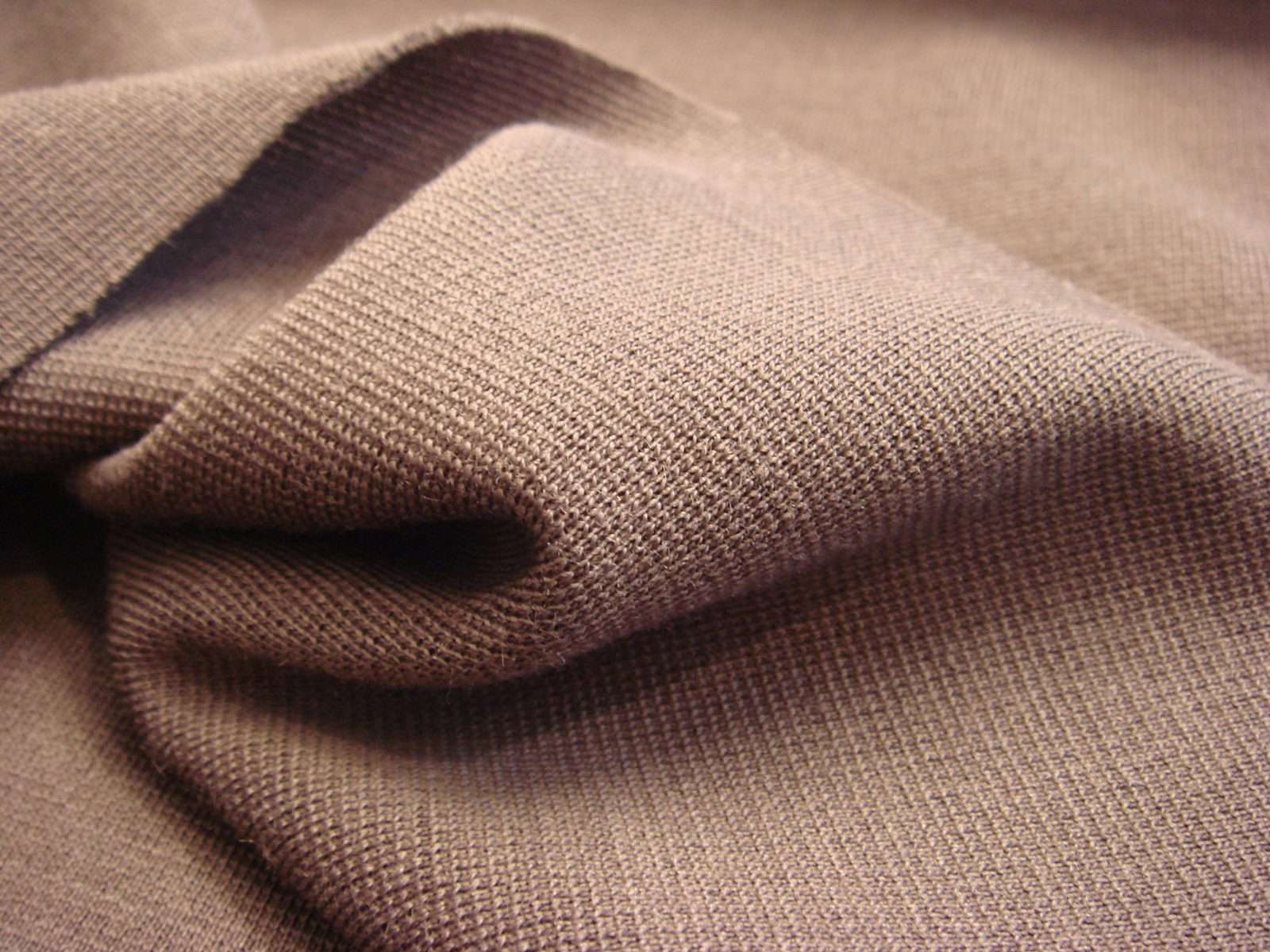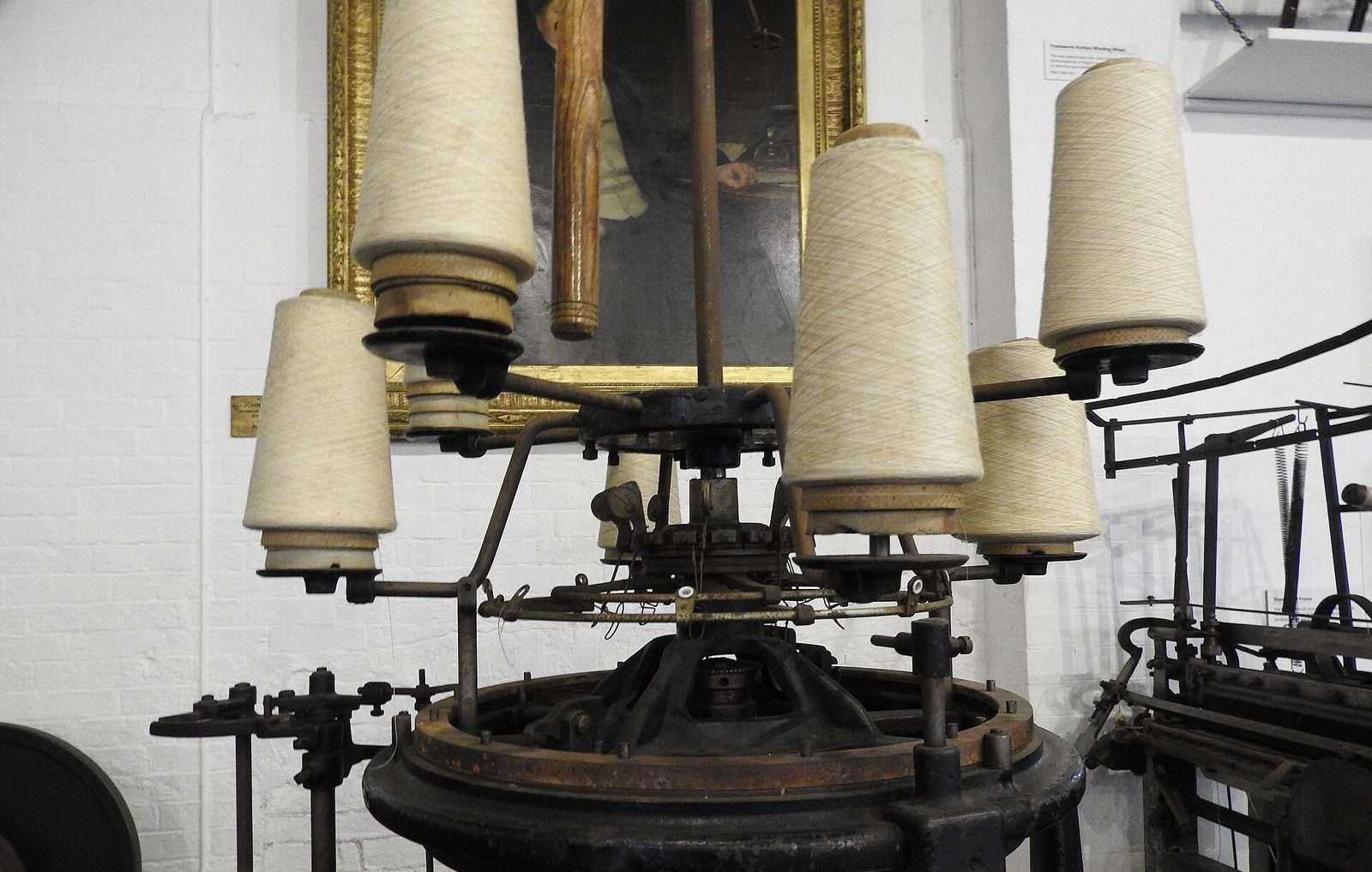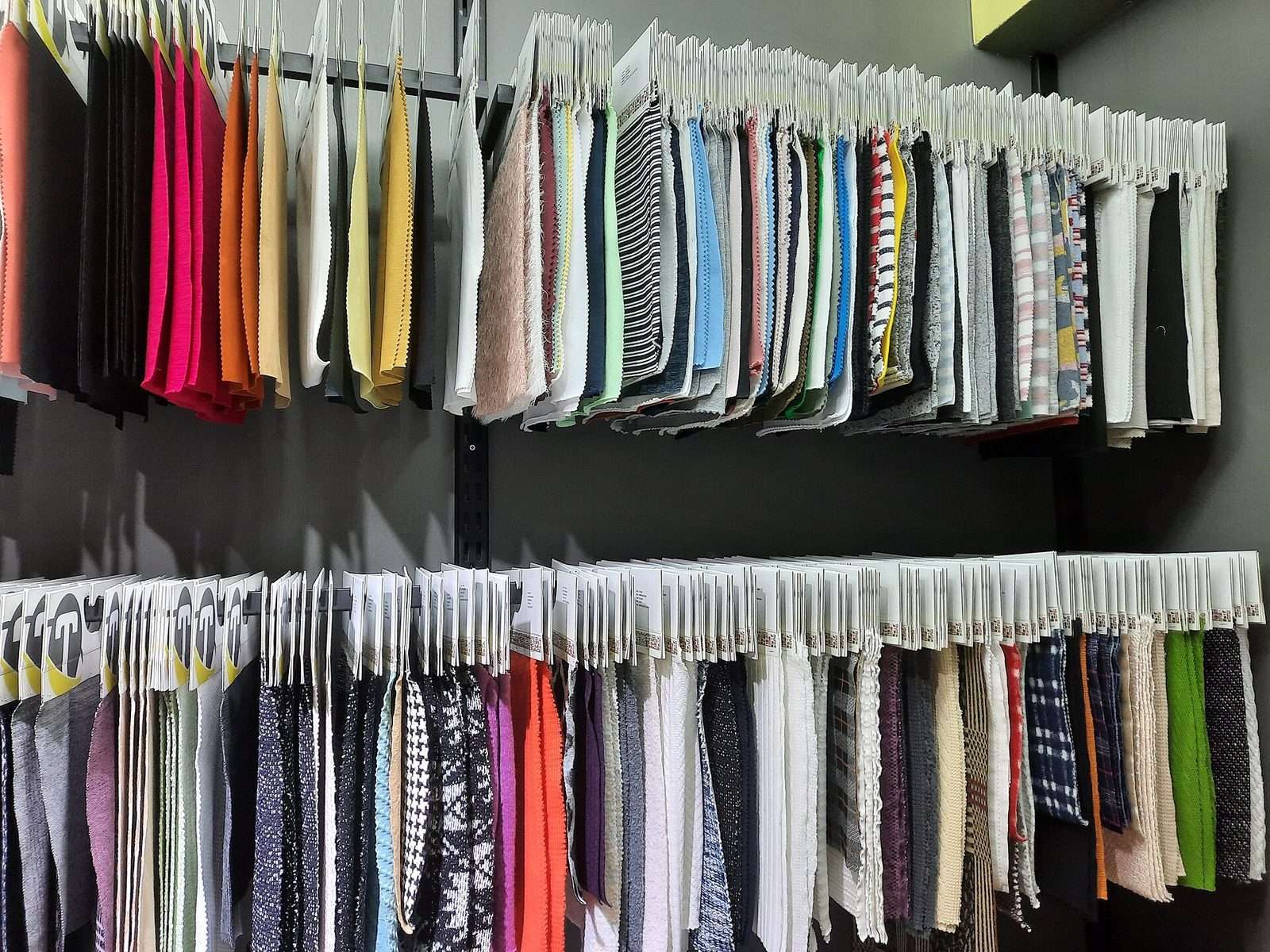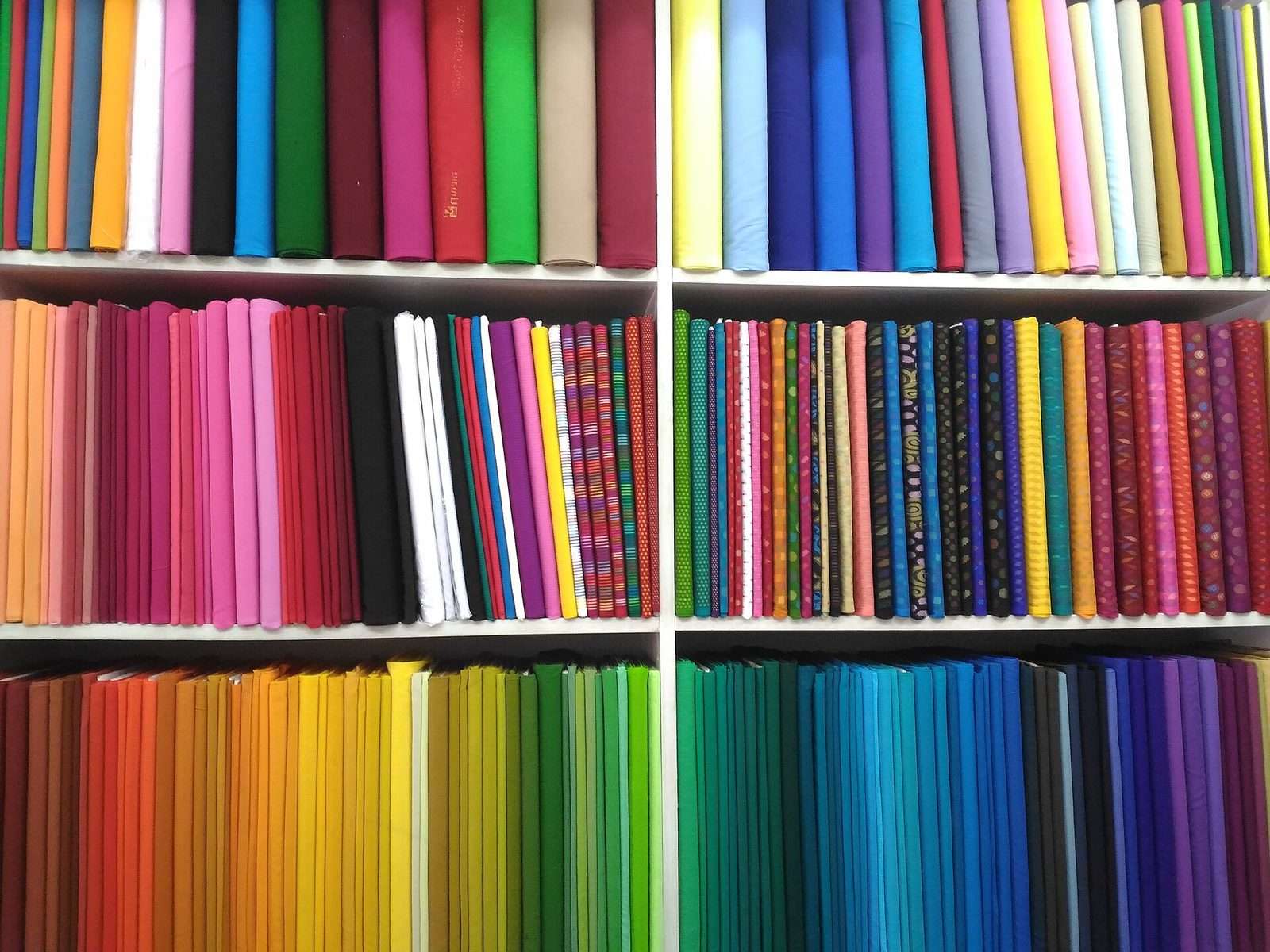
Three figures dominate a knitted fabric purchase: weight, width and shrinkage. None is merely a technical detail; together they decide cost, cutting efficiency and how the garment looks after its first wash. When they are not settled before the order, the fabric that arrives rarely meets the expectation.
What weight is and how it is measured
Weight is the mass of fabric per square metre. Circular samples of a known diameter are cut, weighed on a precision scale and converted to a square metre. Taking samples from several points and averaging them matters, because small deviations occur along a roll.
Three things drive weight: yarn count, stitch density and finishing. Because processes such as compacting change the final figure, the correspondence should say whether greige or finished weight is meant.
Typical weight ranges
- Light single jersey (summer tees, linings): roughly 120-150 g/m²
- Standard t-shirt single jersey: roughly 150-200 g/m²
- Heavy t-shirts and basics: roughly 200-240 g/m²
- Interlock and underwear structures: roughly 180-260 g/m²
- Two-thread fleece: roughly 240-300 g/m²
- Three-thread brushed fleece: roughly 300-400 g/m²
These are common references and shift with yarn type, elastane content and finishing. A high figure does not automatically mean high quality: yarn quality, knitting evenness and fastness matter at least as much as mass.
Tubular or open width?
Fabric leaves a circular machine as a tube and is either shipped tubular or slit to open width. For tubular goods the figure usually refers to the flattened width; for open width it is the full width. Mixing the two causes serious errors in metreage, so the quote should say clearly which is meant.
Usable width matters as well: selvedge areas may deviate, so not all of the width enters the marker. With tubular fabric, also consider whether the fold line will remain visible on the garment.
Why knits shrink
During knitting and finishing the fabric is held under tension and the loops stretch slightly. When it is washed, the fibres relax and the loops return towards their natural shape, so the fabric shortens, mostly lengthwise, the width narrows and the weight rises. Shrinkage is not a defect but natural behaviour; what matters is measuring it and keeping it within an agreed range.
Measuring and reducing shrinkage
Marks are placed on the sample at set distances, the sample is washed and dried in a programme close to real use, and the distances are measured again. Separate percentages are calculated for length and width.
The best known way to reduce shrinkage is compacting, where the fabric is shrunk in a controlled way during production. Letting the fabric rest after the stenter allows tension to release and improves measurement accuracy. Before any measurement, the fabric should be unrolled and left to relax; fabric under tension always gives misleading results.
What to settle before ordering
Sharing the following gets the right sample first time: target weight range, required width and its type, composition, product type, whether there will be printing or embroidery, washing expectations and the acceptable shrinkage range. Once these are written down, both the price and the lead time become realistic.
Meyas Tekstil measures and records weight, width and shrinkage on its own production line in Kahramanmaraş. We set the targets with you at the sample stage, follow the same values through production and share the results before shipment. Describe your product briefly in the quote form and we will clarify the right weight, width and finishing options together.
Next step
Shall we develop the right fabric for your product?
Share your target weight, width and end use; we will get back with suitable constructions and sample options.
Request sample / quote ↗