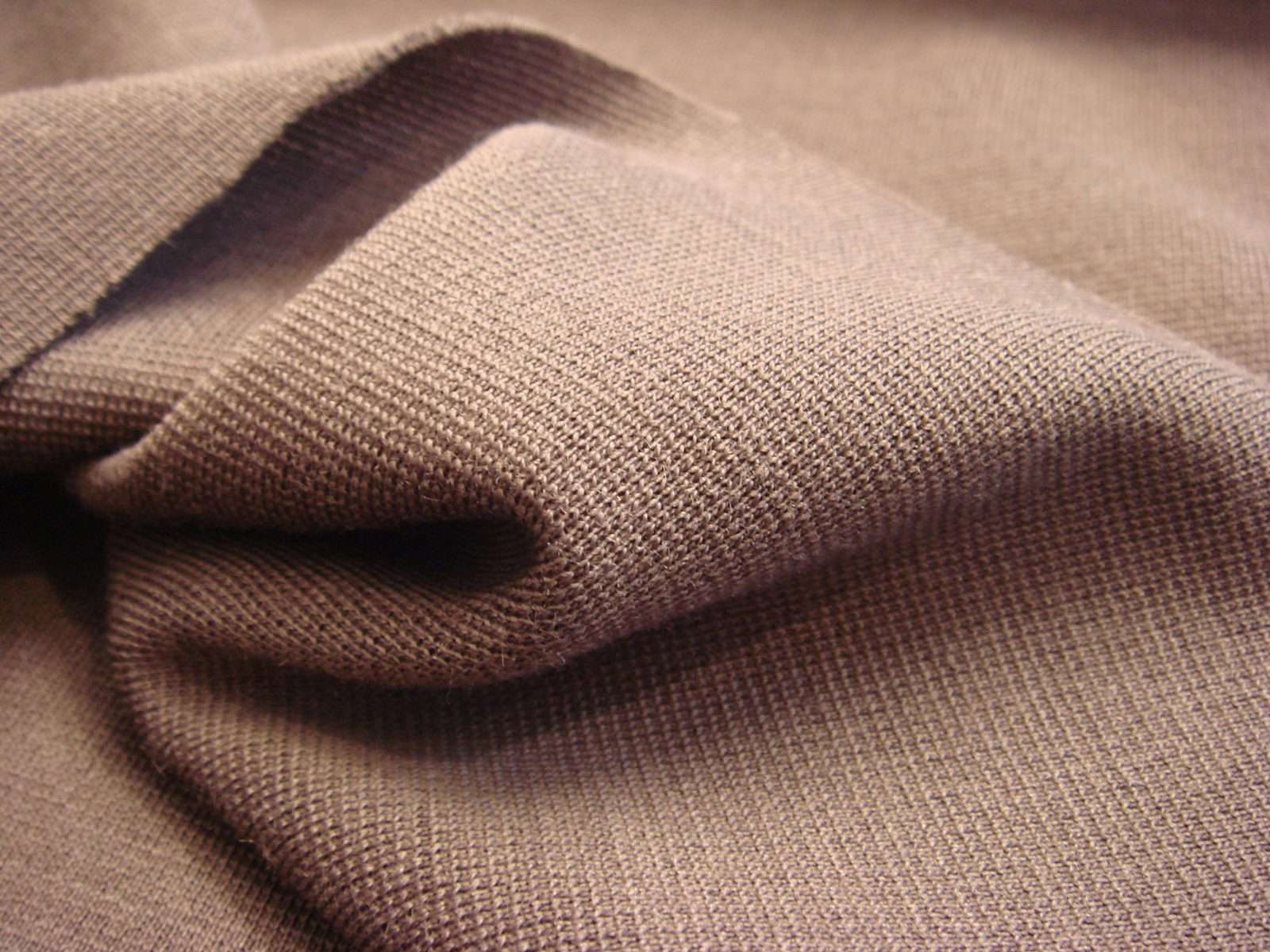
Knitted fabric is built by linking yarn into small loops called stitches. In a woven fabric, warp and weft yarns cross at right angles; in a knit, a single yarn system curls back on itself and the surface is formed from those loop chains.
The loop structure gives knits a property wovens lack: elasticity. Because loops change shape under load and recover when released, knitted fabrics follow the body, do not restrict movement and resist creasing. That is why most t-shirts, sweatshirts, underwear, socks and sportswear are knitted.
The stitch, the basic unit
A stitch is a small loop of yarn. Loops side by side form a course, loops stacked above each other form a wale. Stitch density decides weight, thickness, stretch and dimensional stability. With the same yarn, a tight setting gives a heavier and more stable fabric while a loose setting gives a lighter, more fluid one, so stitch length is one of the most critical machine settings.
Production step by step
Production starts with yarn selection driven by the end product. Cotton, viscose, polyester and elastane are chosen alone or in blends according to the target hand feel and performance. Yarn count and stitch density are planned together, because together they create the final weight.
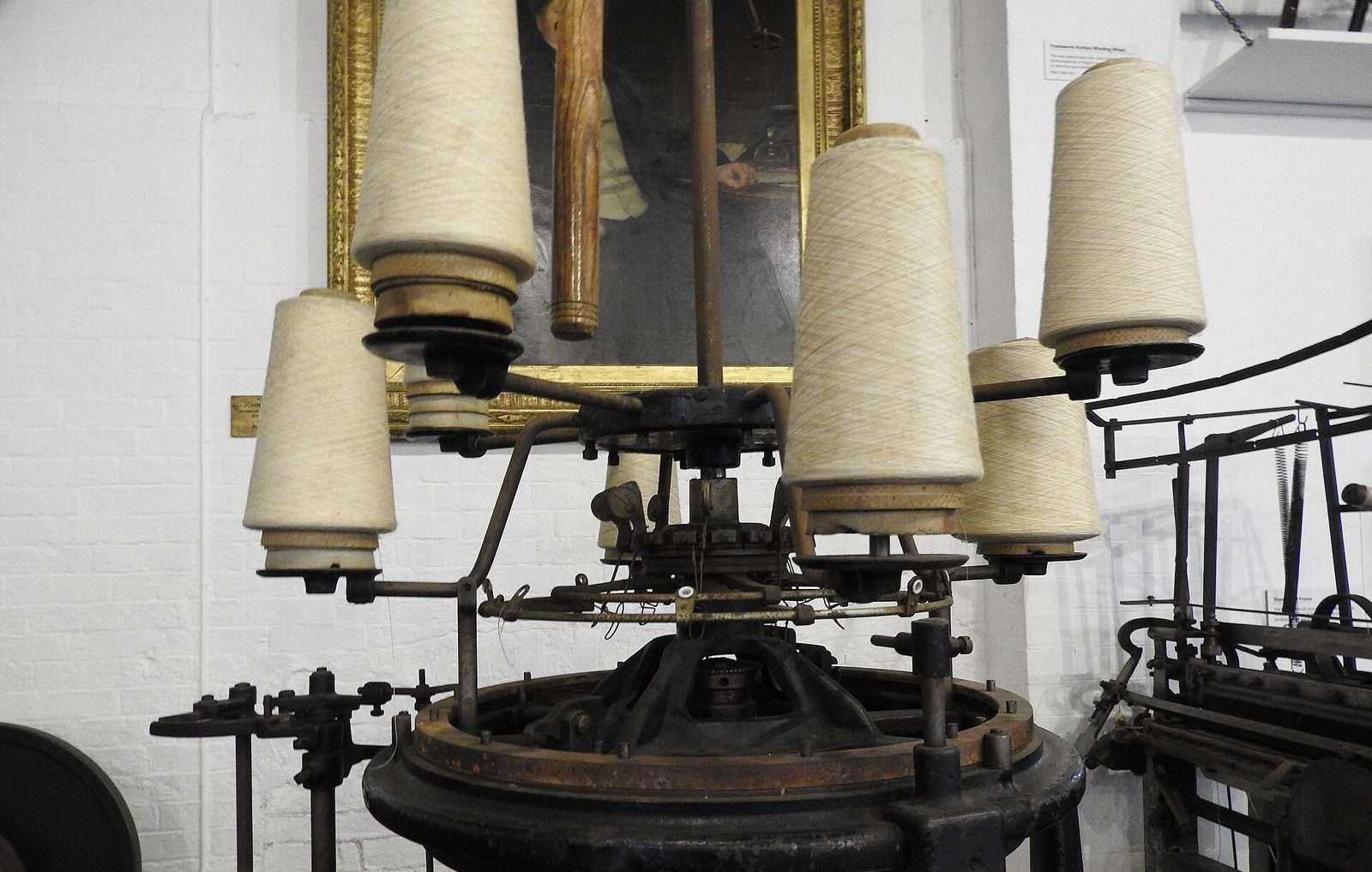
The second step is knitting. Yarn packages feed the machine, needles form the loops, and on a circular machine the fabric leaves as a tube. This greige fabric is inspected on a lighted table for dropped stitches, holes, lines and stains.
The third step is dyeing and finishing. The fabric is pre-treated, dyed to the required shade and then brought to target width and weight on the stenter. Softening, compacting, sueding or brushing are applied as the product requires; these steps shape not only appearance but also shrinkage and hand feel.
Finally the fabric is inspected and rolled: weight and width are measured, colour consistency checked and metreage recorded.
The machines
Most apparel knits are produced on circular knitting machines, which work around a cylindrical needle bed and deliver a tube of fabric. Single-bed machines knit structures such as single jersey and piqué; double-bed machines knit rib, interlock, selanik and punto milano. Machine diameter and the number of needles per inch decide which fabric can run on which line.
Common constructions
- Single jersey: the light, fluid single-bed base fabric for t-shirts.
- Rib: vertical channels with high crosswise stretch for collars, cuffs and waistbands.
- Interlock: a flat-faced, full and stable double-bed structure for underwear and babywear.
- Piqué: a textured surface for polo shirts and breathable garments.
- Two- and three-thread fleece: heavier structures that can be brushed for sweatshirts.
Knitted or woven?
The two families answer different needs. Woven fabric is more stable and less elastic, which suits shirts and outerwear; knits offer elasticity, comfort and faster production. Most collections use both.
What decides quality
Quality in knitted fabric is built along the whole chain, not at a single step. Variation in the yarn shows up as lines in the fabric, a wrong stitch length causes weight deviation, and uncontrolled finishing spoils shrinkage after washing. Taking samples and measuring at regular intervals during production is the most practical way to catch a problem before shipment.
Meyas Tekstil produces knitted fabric on its own machine park in Kahramanmaraş. We run the process with our own team, from yarn selection and knitting through the control steps to shipment, and develop the fabric around your target weight, width and hand feel. Send us your requirement through the quote form and we will define the right construction and sample plan together.
Next step
Shall we develop the right fabric for your product?
Share your target weight, width and end use; we will get back with suitable constructions and sample options.
Request sample / quote ↗